Complete Safari Packing Guide: What to Wear and Bring
Packing for safari has a way of feeling far more intimidating than it needs to be. I see it all the time. People imagine extreme conditions, highly specialized gear, and long packing lists that make the whole trip feel overwhelming before it even begins.
The reality is much simpler. Safari packing is about comfort, layers, and understanding how your days will actually unfold. Once you know that, most of the stress disappears.
This guide breaks down what to wear and bring for safari, what you can safely leave at home, and why packing lighter often leads to a better experience.
The Most Important Rule: Think in Layers
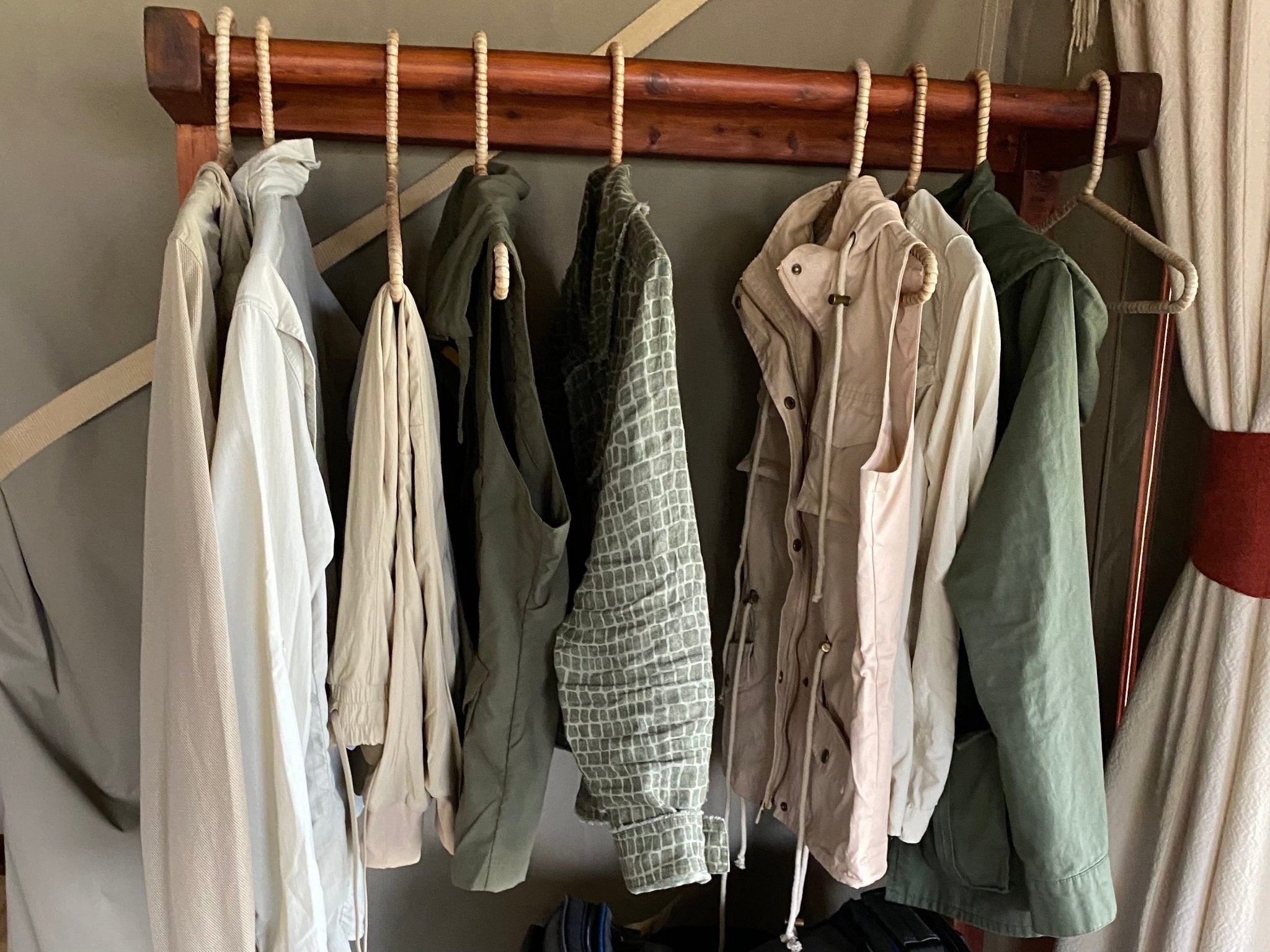
If there is one thing to remember when packing for safari, it’s this: layers matter more than anything else.
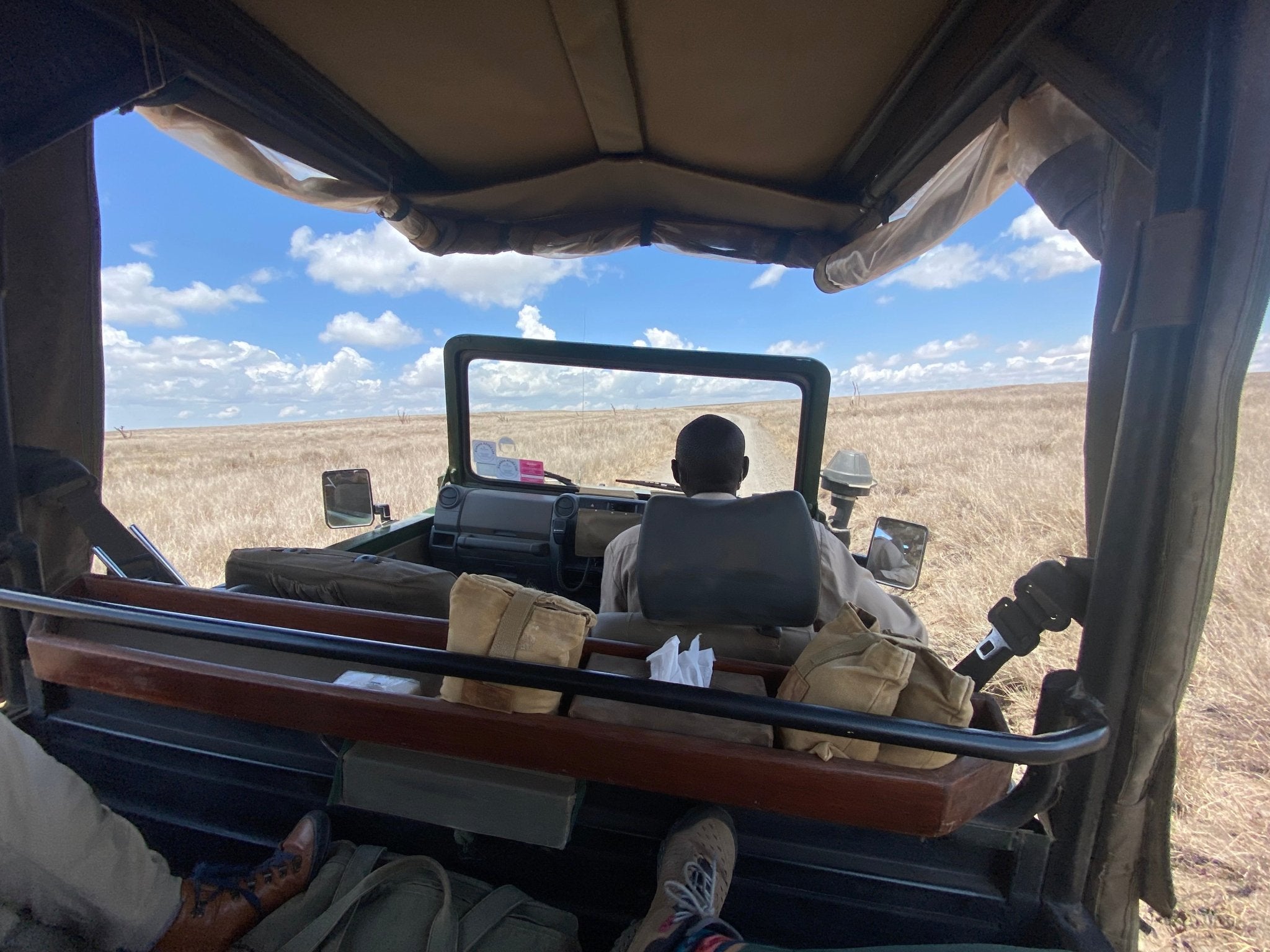
Early mornings and evenings can be cool, especially on open safari vehicles, while midday temperatures often warm up quickly. Rather than packing bulky items, lightweight layers allow you to adjust throughout the day.
A typical game drive might start cold, warm up significantly, then cool off again by sunset. Being able to add or remove layers easily keeps you comfortable without overpacking.
What to Wear on Safari
Tops
- Lightweight long-sleeve shirts for sun protection and cooler mornings
- Breathable short-sleeve shirts for midday warmth
- A fleece or lightweight insulated jacket for early mornings
Neutral colors like khaki, olive, beige, and soft gray work well, but comfort and function matter far more than sticking to a strict color palette.
Bottoms
- Comfortable pants or lightweight trousers for game drives
- Optional shorts for midday downtime at camp
You do not need technical hiking pants unless your itinerary includes extensive walking safaris.
Outerwear
- A light windproof or water-resistant jacket
- Optional scarf or buff for warmth and dust
Footwear
- Comfortable closed-toe shoes for game drives and walking around camp
- Sandals or slip-ons for downtime
Heavy hiking boots are rarely necessary unless your itinerary includes serious walking.
Safari Laundry: Why You Can Pack Less Than You Think
One of the most surprising details for first-time safari travelers is how common laundry service is at lodges. Many camps offer daily or every-other-day laundry, which dramatically reduces how much clothing you need to bring.
This is especially helpful when luggage restrictions are in place on bush flights. Packing fewer items makes travel easier and keeps you from hauling unnecessary weight between destinations.
I’ve found that travelers who trust the laundry process enjoy their trip more and worry less about what they’re wearing each day.
What to Bring on Game Drives
These are the items you’ll use daily and should keep easily accessible.
- Sunglasses
- Sunscreen and lip balm
- Hat with a brim
- Camera or phone
- Extra memory cards or batteries
- Binoculars if you have them
- Reusable water bottle
Most camps provide blankets, ponchos, and basic gear, but it’s always good to confirm what’s included.
Health, Comfort, and Personal Items
- Prescription medications and copies of prescriptions
- Basic personal toiletries
- Hand sanitizer or wipes
- Insect repellent
- Small first aid essentials
Camps are often remote, so it’s best to bring what you know you’ll want rather than hoping to find it on arrival.
What You Can Leave at Home
Overpacking is one of the most common safari mistakes.
You can safely skip:
- Excess clothing
- Formal outfits
- Multiple pairs of shoes
- Hair styling tools
- Anything you’d be upset to get dusty
Safari is casual, practical, and focused on the experience, not appearances.
Luggage Considerations
If your itinerary includes bush flights, soft-sided duffel bags are usually required, along with strict weight limits. These limits are about aircraft safety, not convenience.
Packing light and choosing flexible luggage makes transfers much smoother and avoids unnecessary stress.
A Note on Camera Gear
You do not need professional photography equipment to enjoy safari. Some of the most meaningful moments are best experienced without a lens between you and the scene.
If photography is important to you, bring what you’re comfortable using and understand. If it’s not, a phone or simple camera is more than enough.
Safari is about being present first, documenting second.
Final Thoughts on Packing for Safari
Packing well for safari is less about having the perfect gear and more about understanding the rhythm of the days. Comfortable layers, light luggage, and realistic expectations go a long way.
I’ve found that once travelers stop overthinking what to bring, they’re able to relax and enjoy the experience much more fully.
If you’d like help tailoring a packing list to a specific destination, season, or itinerary, I’m always happy to talk it through.

Written by Christina Trester