How to Choose the Best Safari Destination and Time to Go
One of the biggest mistakes people make when planning a safari is starting with the country instead of the experience. Africa is vast, safari styles vary widely, and timing can change everything.
If you’ve ever found yourself wondering where to go, when to go, or worrying about choosing the “wrong” safari, you’re not alone. This is the part of planning where most people feel stuck.
The good news is that there is rarely one right answer. There is, however, a right fit for how you want your safari to feel.
What's in This Article:
- Start With the Experience You Want
- Why Timing Matters
- How Much Time You Have
- First Safari vs Repeat Safari
- What Animals You Want to See
- High-Level Overview of Safari Countries
- National Parks vs Private Reserves
- Common Destination and Timing Mistakes
- How to Narrow It Down
- Ready to Talk It Through?
Start With the Experience You Want, Not the Country
Before looking at maps or lists of safari destinations, it helps to step back and think about what kind of experience you’re actually drawn to.
Some safaris feel fast-paced and dramatic, with frequent sightings and constant movement. Others feel quieter and more immersive, with fewer vehicles and longer moments spent observing animal behavior. Neither is better. They are simply different.
It also helps to consider whether this is a once-in-a-lifetime trip or the first of several safaris. First-time travelers often benefit from destinations with strong wildlife density and experienced guiding. Repeat travelers may enjoy places that feel more remote or slower paced.
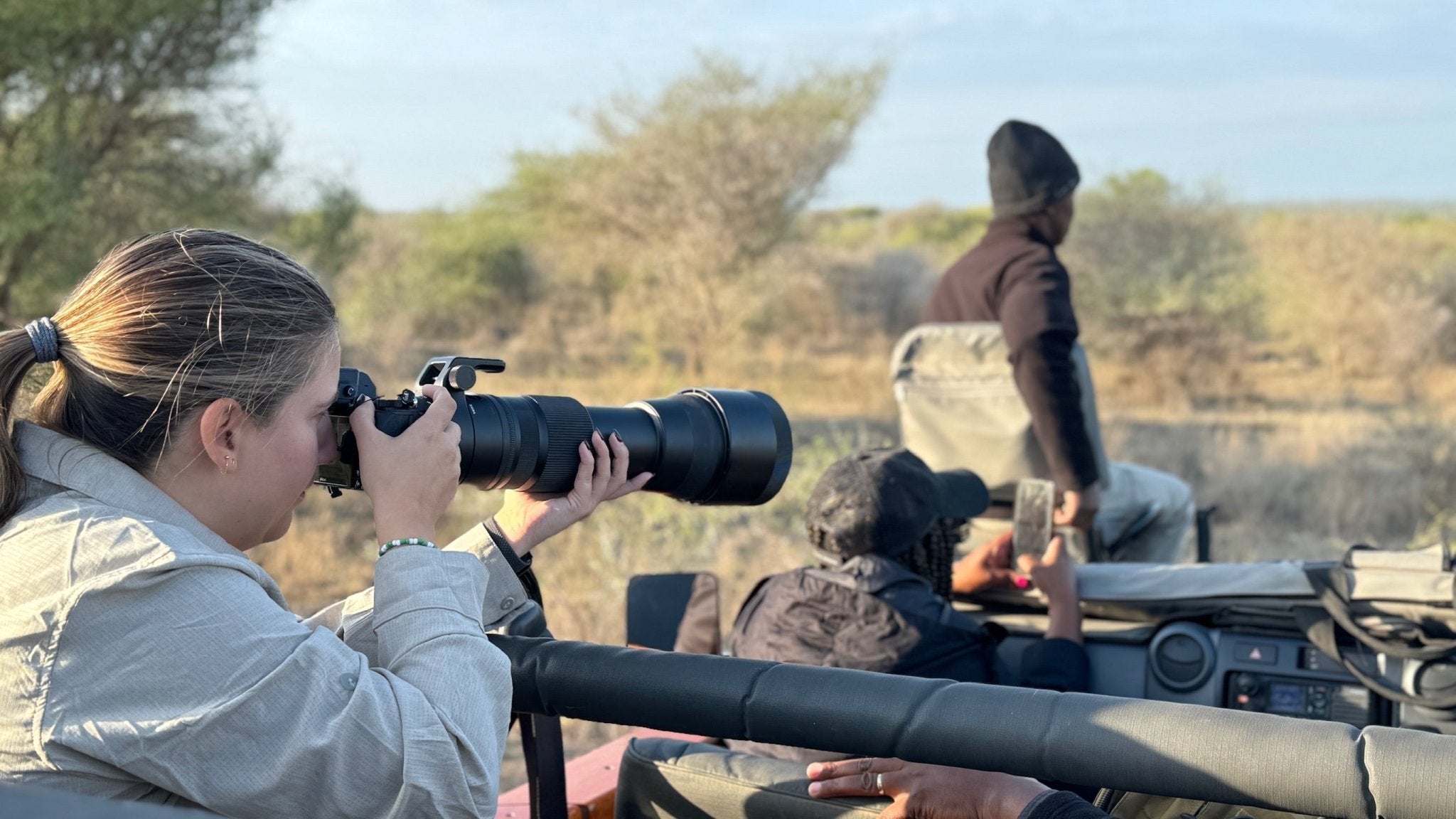
Photography, walking safaris, private vehicles, crowd tolerance, and comfort level all play a role. The destination should support the experience you want, not force you to adapt to it.
Why Timing Matters More Than Most People Expect
When it comes to safari, timing is just as important as location.
Seasons affect animal movement, vegetation, weather, and visibility. Dry seasons often concentrate wildlife near water sources, making sightings more frequent and easier. Green seasons tend to be lush and beautiful, with fewer crowds and dramatic skies, but animals may be more spread out.
There is no universal “best time to go on safari.” The best time depends on what you want to see, how you want your days to feel, and how flexible you are with conditions.
I’ve found that disappointment usually comes from mismatched expectations rather than poor timing. Understanding trade-offs ahead of time makes the experience far more rewarding.
How Much Time You Have Changes Everything
The length of your trip has a major impact on what destinations make sense.
Shorter trips generally work best when focused on a single country or region. This allows you to settle into the safari rhythm instead of constantly packing, transferring, and adjusting.
Longer trips can support multiple regions or even multiple countries, but every added destination introduces travel days and logistical complexity. Inter-country travel often takes longer than people expect due to border crossings, internal flights, and coordination.
More destinations does not automatically mean a better safari. Often, fewer places with more time in each leads to a deeper and more satisfying experience.
First Safari vs Repeat Safari: Different Sweet Spots
First-time safari travelers often do best in destinations known for reliable wildlife sightings and strong guiding. These are the places that tend to deliver the moments people imagine when they think of safari.
Repeat travelers are often more open to destinations that feel quieter, more remote, or more focused on atmosphere and landscape. These safaris may feel slower but often reward patience in unexpected ways.
Knowing where you fall on that spectrum helps narrow options quickly.
What Animals You Most Want to See
Another important factor in choosing a safari destination is being honest about what you’re most excited to see. While many animals overlap across regions, not all parks offer the same viewing opportunities.
Some areas are known for big cat sightings and predator behavior. Others are better for elephants, large herds, birdlife, or species that are unique to specific regions. Landscape, vegetation, and season all influence how visible animals are and how often encounters occur.
It’s a common assumption that all safaris offer the same mix of wildlife. In reality, certain regions consistently deliver stronger viewing for specific animals, even though nothing is ever guaranteed.
For example, East Africa is often associated with big cat sightings and dramatic predator interactions in open landscapes. Southern Africa tends to offer excellent elephant viewing and more intimate encounters, especially in private reserves. Namibia is known more for desert-adapted wildlife and striking scenery than dense animal concentrations. Uganda and Rwanda are the primary destinations for gorilla trekking and are typically paired with traditional safari rather than replacing it.
This doesn’t mean you need to build your trip around a checklist. It simply means that if seeing a particular animal matters deeply to you, it’s worth choosing a destination where those sightings are more likely.
A High-Level Overview of Safari Countries
This is not a ranking or a recommendation list. It’s a broad orientation to help you understand how different regions and countries tend to feel.
East Africa
Kenya
Known for high wildlife density, dramatic predator action, and iconic safari scenes. Sightings can feel intense and back to back, especially in well-known areas.
Tanzania
Offers vast landscapes and seasonal migration routes, with experiences that range from iconic parks to deeply remote regions.
Uganda
Best known for gorilla trekking in lush, mountainous landscapes. Often paired with traditional safari rather than chosen on its own.
Rwanda
Also known for gorilla trekking, with a strong focus on conservation and a polished travel experience.
Southern Africa
South Africa
Accessible and diverse, with excellent guiding and malaria-free options. A strong choice for first-time safari travelers and families.
Botswana
Known for pristine wilderness, water-based safaris, and a slower, more exclusive feel built around low-impact tourism.
Zambia
Famous for walking safaris and a raw, immersive bush experience.
Zimbabwe
Offers strong guiding, beautiful parks, and a quieter safari atmosphere that appeals to travelers seeking fewer crowds.
Other Safari Regions
Namibia
Stands out for dramatic desert landscapes and desert-adapted wildlife. Safaris here are as much about scenery as animal density.
Mozambique
Most often paired with safari as a beach extension rather than chosen as a wildlife-first destination.
National Parks vs Private Reserves: Why the Difference Matters
Another major factor in choosing a safari destination is whether you stay in a national park or a private reserve.
National parks often have high concentrations of wildlife, especially during peak seasons. Sightings can feel intense and back to back, which many first-time travelers find thrilling. Famous parks are famous for a reason.
That popularity, however, comes with crowds. More vehicles, shared sightings, and less flexibility are part of the experience, particularly in well-known areas.
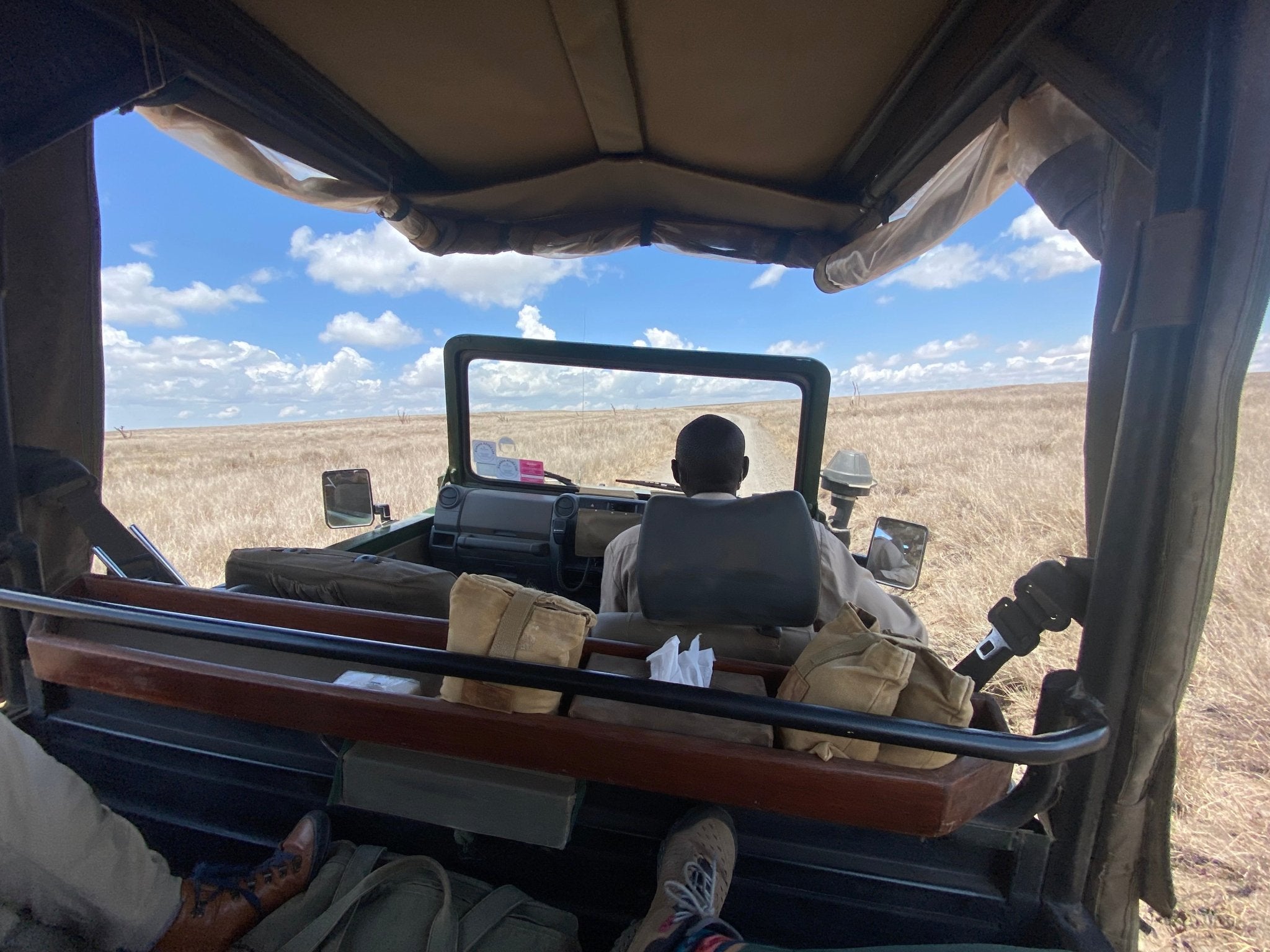
Private reserves offer a different rhythm. Wildlife viewing may feel slightly slower, but the experience is often more intimate. Fewer vehicles, off-road driving, and flexible timing allow guides to follow animal behavior naturally and linger longer when something interesting unfolds.
Neither option is inherently better. The right choice depends on whether you’re drawn to energy and density or space and quiet.
Common Destination and Timing Mistakes
Many safari disappointments stem from a few common planning mistakes.
Choosing a destination based on name recognition alone can lead to mismatched expectations. Ignoring seasonality can quietly affect wildlife viewing. Trying to see too many regions in one trip often leads to fatigue rather than fulfillment.
Another mistake is assuming all safaris offer the same experience. Differences in pace, crowd levels, and logistics matter.
Booking based on price without understanding trade-offs can also impact the experience, particularly when it comes to camp location and travel time.
How to Narrow It Down Without Overthinking
Rather than trying to find the “perfect” safari destination, it helps to answer a few honest questions. Your answers will naturally guide you toward locations and timing that make sense for you.
What animals are you most excited to see?
If there are one or two species that matter most, consider regions where those sightings are more common while keeping expectations flexible.
What kind of pace do you want your safari to have?
Do you picture fast-paced days with frequent sightings or a slower experience with fewer vehicles and longer observations?
Is this your first safari or the first of many?
First safaris often benefit from destinations with reliable wildlife density and experienced guiding.
How much time can you realistically commit to the trip?
Shorter trips work best when focused on one region. Longer trips allow more contrast but come with added travel time.
How important is crowd level to you?
Some travelers enjoy the energy of iconic parks, while others prefer quieter environments.
What matters more to you: dramatic sightings or overall atmosphere?
Different destinations naturally emphasize different experiences.
Are you combining safari with other travel experiences?
Beach time, wine regions, cities, or gorilla trekking can influence both destination and timing.
When can you travel, and how flexible are you?
Seasonality affects wildlife behavior, weather, and pricing. Flexibility often opens better options.
Once you answer these questions, the decision becomes far less overwhelming. You may still have multiple good choices, but you’ll be choosing from clarity rather than confusion.
Ready to Talk It Through?
If this article helped you realize how many variables go into choosing the right safari destination and timing, you’re not alone. This is where most people benefit from talking things through.
If you’d like help narrowing options, understanding trade-offs, or figuring out what makes the most sense for a first safari, I’m happy to offer a consulting call. There’s no pressure and no obligation. It’s simply a chance to get clarity and direction from someone who understands how all the pieces fit together.

Written by Christina Trester