Article: What to Expect on Your First Safari
What to Expect on Your First Safari
If you’ve never been on safari before, it’s normal to feel excited and slightly unsure at the same time. Safari isn’t quite like any other trip, and most people don’t know what to expect until they’re actually there.
The questions tend to come quickly. Will it be comfortable? How close will I be to the animals? Is it safe? And will it live up to everything I’ve imagined?
In my experience, most of that uncertainty fades almost immediately once the trip begins. Safari has a way of settling you into its rhythm. When you understand how it works and what to expect, the experience feels far less intimidating and far more immersive.
This guide walks through what safari really feels like, so you can arrive prepared, relaxed, and open to everything it has to offer.
What's in This Article:
- What a Safari Actually Is (And Isn't)
- A Typical Safari Day
- The Lodges: Comfort Level Might Surprise You
- The Guides: Make or Break the Experience
- Animals: What You’ll See Versus What to Expect
- Getting Around: Flights, Transfers, and Safari Logistics
- Private Reserves vs National Parks: What First-Time Travelers Should Know
- Health, Safety, and “Is It Dangerous?”
- Common First Safari Mistakes
- What to Wear and Bring
- Why Your First Safari Shouldn’t Be Your Last
- Ready to Start Planning?
What a Safari Actually Is (And Isn’t)
Safari is not a zoo, and it is not a carefully staged wildlife experience. There is no script, no feeding schedule, and no checklist that gets followed every day. You are entering the animals’ world, not the other way around.
Some days are filled with incredible sightings. Others are quieter and more observational. Both are part of the experience. What often surprises first-time travelers is how meaningful the slower moments become, watching animal behavior unfold and beginning to understand how the ecosystem works as a whole.
Safari rewards patience and curiosity. Once expectations shift away from guarantees and toward presence, the experience becomes far more rewarding.
A Typical Safari Day
While every camp and destination is different, safari days tend to follow a natural rhythm shaped by wildlife behavior and light. Thinking about the day as a loose timeline helps remove much of the mystery.
It is also important to know that this schedule is flexible. Wildlife always comes first. If you are following something extraordinary, no one is watching the clock or rushing you back to camp.
Early Morning (Around 5:30–6:00 am)
You will wake before sunrise, usually to a gentle knock or quiet call from camp staff. Coffee, tea, and a light snack are served before heading out. Early mornings matter because animals are most active in the cooler hours and the light is ideal for viewing and photography.
Morning Game Drive (6:00–9:30 am)
You head out with your guide and tracker as the landscape comes alive. Drives last several hours and move at an unhurried pace, stopping frequently to observe wildlife. Your guide explains behavior, tracks animals, and answers questions along the way. A coffee stop or bush break is often part of the experience. If something incredible unfolds, the timeline adapts to the moment.
Late Morning Brunch or Breakfast (10:00–11:30 am)
After returning to camp, you will enjoy a relaxed breakfast or brunch. This is usually a slow, comfortable transition back into the day, with time to recap sightings and review photos.
Midday Rest and Downtime (12:00–3:30 pm)
Midday is intentionally slow. Animals rest during the heat, and so do guests. This time is meant for naps, reading, swimming, editing photos, or simply watching wildlife pass through camp. Many travelers are surprised by how much they enjoy this quiet pause.
Afternoon Tea and Game Drive (3:30–6:30 pm)
After tea or light snacks, you head out again for the afternoon game drive. As temperatures cool, animal activity picks up. The light softens, the landscape changes, and the pace feels different from the morning drive. Timing shifts naturally based on what you encounter.
Sundowners (Around Sunset)
Most afternoons include a sundowner stop in a scenic location. Drinks are served as the sun sets over the landscape. If a sighting keeps you out longer, sundowners simply happen later or back at camp.
Evening and Dinner (7:30 pm and Later)
Back at camp, you freshen up before dinner. Meals are typically social and unhurried. Evenings might include storytelling with guides, stargazing, or quiet time by the fire before turning in for the night. If you have the opportunity, invite your guide to join you for dinner at least one evening. It’s often when the best stories come out, and it’s a great way to hear more about life in the bush and get to know them beyond the game drive.
Days feel full, but never rigid. The structure exists to support the experience, not limit it.
The Lodges: Comfort Level Might Surprise You
One of the biggest misconceptions about safari is that it is rustic or uncomfortable. While styles vary widely, many safari lodges are exceptionally comfortable.
“Tented” camps often include proper beds, ensuite bathrooms, hot water, attentive service, and excellent food. In many cases, the experience rivals high-end hotels, just with canvas walls and wildlife sounds instead of city noise.
Most camps are designed to feel integrated into the environment rather than separate from it. Wildlife may pass through camp, but safety protocols are taken seriously, and guests are always escorted after dark.
The Guides: Make or Break the Experience
Your guide plays a central role in shaping your safari. While the wildlife and landscapes are what draw people in, it is the guide who helps everything make sense.
Professional safari guides go through extensive training and certification, often spending years learning animal behavior, tracking, ecosystems, first aid, and safety protocols. Many grew up in or near the areas where they work, developing an intuitive understanding of the land long before they ever led a game drive. This depth of knowledge is why you can trust them to read situations, anticipate animal movement, and keep everyone safe while still creating an exceptional experience.
In many regions, guides work alongside highly skilled trackers whose sole focus is reading signs on the ground. This partnership dramatically increases the quality of sightings and allows for a deeper understanding of what you are seeing, not just where to look.
A great guide does more than point out animals. They explain why something is happening, help you notice small details you might otherwise miss, and adjust the pace of the day based on your interests. Whether you care most about photography, big cats, birds, or simply being present in the moment, guides are constantly adapting the experience.
Vehicle setup also matters. Private vehicles allow for flexibility, longer sightings, and a pace tailored to your preferences. Shared vehicles can still be enjoyable, but the experience will be more communal. Communicating what matters to you helps guides shape the day in meaningful ways.
When you trust your guide and let them lead, safari becomes far richer than a series of sightings. It becomes a shared experience grounded in expertise, respect for wildlife, and a deep connection to place.
Animals: What You’ll See Versus What to Expect
Many first-time safari travelers arrive focused on the Big Five. While iconic animals are certainly a highlight, they are not the whole story.
Some of the most memorable moments come from unexpected encounters, watching animal behavior over time, or witnessing subtle interactions that feel intimate and unplanned. I’ve seen travelers arrive focused on one specific animal and leave talking most about a moment they never anticipated.
Safari rewards openness. You may not see everything you imagined, but what you do experience often feels far richer than expected.
Getting Around: Flights, Transfers, and Safari Logistics
Safari logistics are often where first-time travelers start to feel overwhelmed, and that reaction makes sense. Distances can be deceptive, travel days look slow on paper, and moving between camps or countries involves more coordination than most trips.
One of the first factors that shapes a safari itinerary is how much time you can realistically commit to the trip. Shorter trips often work best when focused on a single region or country, allowing you to settle into the rhythm of safari rather than constantly moving. Longer trips may allow for multiple destinations, but it is important to understand that every additional location adds transfer time and complexity.
Inter-country travel, while rewarding, can significantly affect the flow of your itinerary. Border crossings, flight connections, and internal transfers can easily turn a travel day into a full day, even when distances seem short. This is one reason safari itineraries are intentionally built with breathing room.
Transfers themselves can happen by road or by air, and the difference between the two has a real impact on the experience. Road transfers take longer, but they offer a window into everyday life and changing landscapes that many travelers never see. I have done a road transfer myself, and while it required patience, watching the scenery shift along the way added context and depth to the experience.
Air transfers, often via small bush planes, are faster and minimize time spent between camps. They offer incredible aerial views and maximize time on game drives, but they also come with luggage restrictions and fewer opportunities to see the areas between destinations.
When selecting a camp, it is also important to understand where it sits in relation to prime wildlife viewing areas. Some camps are located inside national parks or private reserves, while others sit outside park boundaries. In certain cases, guests may spend an hour or more driving in the safari vehicle before reaching areas with the highest concentration of wildlife. This is not inherently negative, but it does affect how much time is spent actively viewing animals versus getting there. Camp location plays a significant role in how immersive and efficient your safari days feel, especially on a first trip.
Understanding how all of these elements work together helps set realistic expectations and leads to a more enjoyable safari overall.
Private Reserves vs National Parks: What First-Time Travelers Should Know
One of the biggest factors shaping your safari experience is whether you stay in a national park or a private reserve. Both offer incredible wildlife, but the pace and feel of each can be quite different.
National parks are often famous for a reason. They tend to have high concentrations of wildlife, especially during peak seasons, and sightings can feel intense and back to back. It is not uncommon to move quickly from one remarkable sighting to another, which can be thrilling for first-time safari travelers.
The Maasai Mara is a perfect example. It is one of the most iconic safari destinations in the world, known for dramatic predator action and the Great Migration. The wildlife is extraordinary, and when it’s active, the experience can feel nonstop. That reputation exists for a reason.
That same popularity, however, comes with trade-offs. National parks are publicly accessible, which means more vehicles, shared sightings, and less flexibility in how long you can stay in one place. During peak times, crowds can be overwhelming, and it’s not unusual to share a sighting with multiple vehicles at once.
Private reserves tend to offer a different rhythm. Wildlife viewing may feel slightly slower and more spaced out, but the experience is often more intimate. Fewer vehicles, off-road driving, and flexible timing allow guides to follow animal behavior more naturally and linger longer when something interesting unfolds. Days often feel less rushed and more immersive.
Neither option is inherently better, especially for a first safari. Some travelers love the energy and density of wildlife in national parks. Others prefer the quieter, more exclusive feel of private reserves. The right choice depends on how you want your days to feel, how much time you have, and whether you prioritize intensity or pace, or if you want to combine both options to experience everything.
Understanding this distinction ahead of time helps ensure your safari matches your expectations rather than surprises you in ways you didn’t anticipate.
Health, Safety, and “Is It Dangerous?”
Safety is one of the most common concerns for first-time safari travelers, and it is an important one to address directly. When done properly, safari is extremely safe, and most risks are mitigated through thoughtful planning and experienced teams.
Wildlife Safety and On-the-Ground Expertise
Wildlife safety protocols are clear and consistently enforced at reputable safari camps. This is another reason why your guide is such a critical part of the experience. Guides are trained to read animal behavior, assess situations in real time, and make decisions that keep both guests and wildlife safe. Trusting your guide and following their instructions is essential.
Equally important is staying at reputable camps that properly train their staff and operate with established safety procedures. Well-run camps take guest safety seriously, from how game drives are conducted to how guests are escorted around camp after dark. They also support guides in making smart, measured decisions in the field, including knowing when not to push a situation, even if it could lead to a more dramatic sighting.
These moments of judgment are often invisible to guests, but they are a key part of what keeps safari experiences safe, ethical, and sustainable. These are not details where corners should ever be cut.
Health Considerations, Vaccinations, and Malaria
Health preparation looks different for every traveler and every itinerary, which is why it is important to discuss any concerns with your doctor well before your trip. There are also medical clinics and companies that specialize in travel vaccines and health planning based on specific destinations and routing, which can be especially helpful for safari travel.
Malaria is often top of mind, but it is manageable with the right precautions. In addition to preventative measures and medication when appropriate, it is worth knowing that there are malaria-free parks and reserves in parts of Africa. This can be an important consideration for travelers who are particularly concerned or traveling with children.
With proper planning and guidance, health concerns rarely impact the safari experience itself.
Travel Insurance: Why It Matters
Travel insurance is not optional when it comes to safari travel. Many safari operators and camps require proof of travel insurance before confirming a booking, and for good reason. Safari itineraries involve remote locations, light aircraft, and complex logistics, all of which make coverage essential.
Travel insurance helps protect against unexpected delays, medical needs, trip interruptions, and evacuation scenarios. While issues are rare, the consequences of not being insured can be significant.
I strongly recommend purchasing comprehensive travel insurance for every safari, regardless of destination or trip length. It provides peace of mind and ensures that you are protected if plans change for reasons outside your control.
Common First Safari Mistakes
Most first-time safari frustrations come from planning missteps rather than the experience itself.
Over-packing is common and unnecessary. Over-scheduling can make safari feel rushed. Choosing the wrong destination or season can lead to mismatched expectations.
One of the biggest mistakes is trying to plan or book a safari without a safari-specialized travel advisor. Safari travel is layered and interconnected, and small decisions around camp selection, routing, vehicle type, and timing can have an outsized impact on the experience.
Another common mistake is choosing camps based on photos or price alone without fully understanding their location. Two camps in the same region can offer vastly different experiences depending on how close they are to high-activity wildlife areas. Longer daily drives can quietly reduce time spent on meaningful sightings, which often surprises first-time travelers.
What to Wear and Bring
Packing for safari tends to feel more complicated than it actually is. In reality, safari packing is simpler and more forgiving than most people expect, especially once you understand how the days are structured.
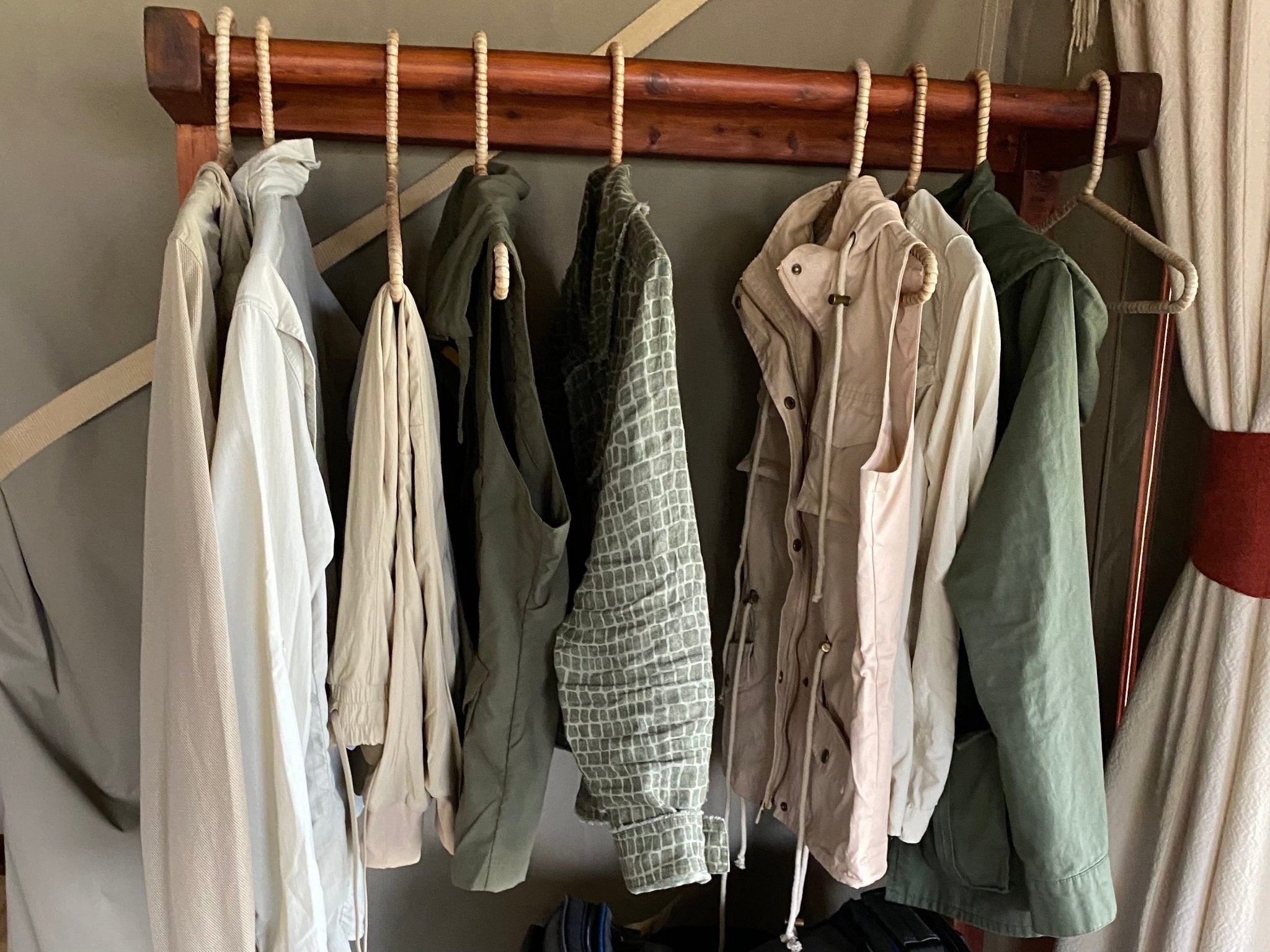
One of the most important things to keep in mind is layering. Early mornings and evenings can be cool, while midday temperatures often warm up quickly. Lightweight layers allow you to adjust comfortably throughout the day without overpacking. Neutral colors work well, but comfort and functionality matter far more than looking “safari perfect.”
Another detail that surprises many first-time travelers is how common laundry service is at safari lodges. Most camps offer daily or every-other-day laundry, which significantly reduces how much clothing you need to bring. This makes packing lighter and simplifies travel, especially when luggage restrictions are in place for bush flights.
Rather than guessing or packing for every possible scenario, following a destination-aware packing guide helps you focus on what actually matters and avoid bringing items you won’t use.
You can find a full breakdown, including clothing, gear, and lodge-specific considerations, in my dedicated guide: Complete Safari Packing Guide: What to Wear and Bring.
Why Your First Safari Shouldn’t Be Your Last
No two safaris are the same. Different regions, seasons, and camps create entirely different experiences.
A first safari often opens the door to deeper exploration and a new appreciation for wildlife and wild places. What many travelers discover is that the moments they remember most are not always the ones they expected going in. Unexpected encounters, quiet observations, and small details often become the highlights.
Safari is not just about what you see. It is about how it makes you feel, and the experiences you never expected often end up becoming your favorites.
Ready to Start Planning?
If reading this sparked questions or helped you realize how many variables go into planning a safari, you’re not alone. Every safari is different, and small decisions can have a big impact on how the experience feels.
If you’d like to talk through ideas, timing, destinations, or what might make sense for a first safari, I’m happy to offer a consulting call to help you get clarity and direction. There’s no pressure and no obligation. It’s simply a chance to talk through options with someone who has been there and understands how all the pieces fit together.

Written by Christina Trester